
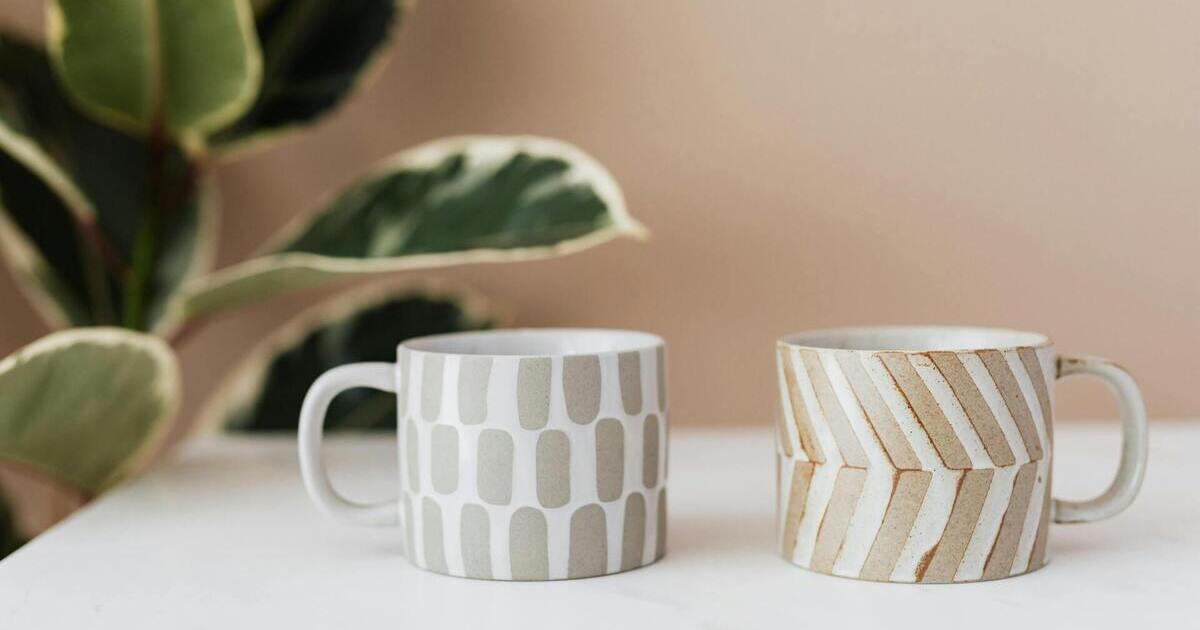
What should you check in ceramic mug samples?
When evaluating ceramic mug samples, overlooking critical quality factors can lead to costly issues in mass production. Samples are the foundation of ensuring structural integrity, food safety compliance, and visual consistency—especially when targeting specific markets. If you're not thorough, even minor flaws could hurt your brand reputation or disrupt supply chains. Let’s untangle what you need to check and why it matters.
To ensure ceramic mugs meet quality standards, you should examine structural integrity, food safety compliance, and the consistency of visual elements such as glaze and decoration. These checks should be tailored to the materials, production methods, and intended market requirements to effectively assess suitability for mass production.
Many distributors and brands struggle with sample testing because they fail to align their expectations with the production materials or manufacturing processes. But once you understand the nuances, you can anticipate issues before they escalate—and ensure the mugs resonate with your target audience. Let’s dive into the specific sample checks below.
Why is structural integrity important in ceramic mug samples?
Structural flaws can make mugs unsafe or unusable for consumers, potentially leading to product recalls or customer dissatisfaction. These issues often reflect production errors that might carry forward into larger batches.
Check ceramic mugs for cracks, chips, uneven firing, and weight consistency to ensure structural integrity. A thorough inspection supports durability and functionality across everyday use scenarios.
Common flaws to look for:
- Cracks and chips: Check both surface-level defects and hidden cracks that could weaken the mug over time.
- Balance and weight: Test the mug’s ergonomics, weight uniformity, and whether it comfortably “sits” on flat surfaces. Uneven bottoms or imbalanced handles can cause usability issues.
- Glaze thickness and coverage: Ensure that all areas are coated evenly to prevent weak spots, especially near the rim or handle.
- Resistance to thermal shock: If applicable, test whether the mugs can withstand sudden temperature changes (e.g., moving from hot liquids to cold rinse water).
Practical tips:
Use a flashlight or magnifying glass to inspect cracks invisible to the naked eye. You can also gently tap test samples—undamaged mugs will produce a clean, high-pitched sound, while flawed mugs often sound dull. Consider deploying ASTM or ISO testing standards for heightened precision.
How can you verify food safety compliance?
Food safety isn’t optional—it’s mandatory when producing products that will come into direct contact with food or beverages. When ceramic mugs fail to meet international safety standards, you risk legal fines, loss of contracts, and negative consumer sentiment.
Ensure ceramic mug samples comply with relevant food contact standards (e.g., FDA, LFGB, CA65, or EU regulations) through laboratory testing and documentation from manufacturers. This guarantees the mugs are free from harmful substances.
Key considerations for food safety:
- Leachable substances: Verify toxic heavy metals (e.g., lead, cadmium) are absent in the glaze or decoration. Many local regulations strictly prohibit these elements.
- Non-toxic pigments: Confirm that any inks or decals used are certified food-safe.
- Glaze stability: Mugs in contact with acidic beverages (like coffee or tea) must resist leaching over extended use.
- Compliance certifications: Ask suppliers for third-party test reports from laboratories like SGS or ITS to validate compliance.
Additional checks:
Request dishwasher-safe and microwave-safe tests if those features matter for your target audience. For premium mugs, also confirm longevity of the visual finishes after repeated cleaning cycles.
Why does visual consistency matter for ceramic mug samples?
For high-end retail markets or brand-specific collections, a mug’s visual appeal is just as important as its structural and safety standards. Inconsistent patterns, colors, or finishes can render your entire batch unsellable.
Evaluate ceramic mugs for consistent colors, glaze textures, decorative placement, and overall aesthetic symmetry across the batch. These elements strongly influence marketability.
What to assess:
- Color matching: Is the hue identical across samples? Variations in reactive glazes may be acceptable but should follow clear design parameters. For printed mugs, include Pantone matching in your quality standards.
- Uniform glaze coverage: Look for visible flaws in glaze application, such as pooling, thinning, or inconsistent finishing.
- Decoration alignment: Check decal or silkscreen prints for alignment precision and resolution clarity. Small errors often become noticeable on closer inspection.
- Gloss and matte effects: Ensure the finish matches the original design intent and stays consistent across multiple samples.
Dive deeper:
Request random AQL sampling methods to test larger quantities and confirm consistency before greenlighting mass production. Don’t forget to test for design durability through accelerated wear trials, especially if the final mugs are dishwasher-safe or will face repetitive use.
Challenges in tailoring sample checks to specific materials?
Different ceramic materials—such as porcelain, stoneware, and earthenware—behave differently during firing, glazing, and handling. Assuming one approach fits all materials can lead to oversight and quality risks.
Adapt your assessment process to match the ceramic material used. Each type demands unique structural, safety, and visual evaluations during sampling.
Material-specific focus areas:
- Porcelain: Check for thin walls, translucency, and heat resistance. Porcelain mugs target upscale audiences demanding lighter designs.
- Stoneware: Prioritize glaze adherence since stoneware is frequently used for reactive glaze finishes that showcase handcrafted aesthetics.
- Earthenware: Ensure added durability through glaze layers, as earthenware tends to be softer and more porous—a feature unsuitable for heavy, direct-use mugs.
Why materials matter:
The production process—from raw clay composition to firing—affects everything from surface finish to long-term durability. An experienced supplier will offer insights on how the material selection fits your target market’s needs. Work closely with them during sample testing to refine benchmarks.
Frequently Asked Questions
What’s the minimum sample quantity I should request for testing?
Request at least 5–10 pieces per production batch, covering random samples rather than a single prototype. This allows you to verify consistency and detect manufacturing defects across the batch.
How long does food safety testing usually take?
Food safety tests typically require 7–14 business days if conducted by certified labs like SGS or ITS. Be sure to factor this into your production schedule and discuss lead times with suppliers in advance.
What’s the difference between decal printing and silkscreen printing?
Decal printing offers high-resolution, full-color design options suitable for intricate artwork, while silkscreen printing focuses on clean, single- or multi-color designs with sharp edges. Your choice depends on the branding and artwork requirements of your market.
How do reactive glazes affect sample testing?
Reactive glazes create naturally variegated finishes, so minor visual variations are normal. Test for controlled variation and consistent application methods to ensure premium appearance without sacrificing structural requirements.
Conclusion
Inspecting ceramic mug samples requires a careful approach to ensure success during mass manufacturing. From checking structural integrity to verifying food safety compliance and assessing visual consistency, these processes should be tailored to your material type and target market requirements. Never underestimate how thorough sampling can save your brand from costly production issues downstream.
Ready to ensure your next ceramic mug project exceeds expectations? Contact us for professional OEM/ODM support, complete with lab testing and detailed sample guidance. Let’s elevate your mug designs to deliver quality without compromise.